Upholstery Cleaning Guide for Busy Homes
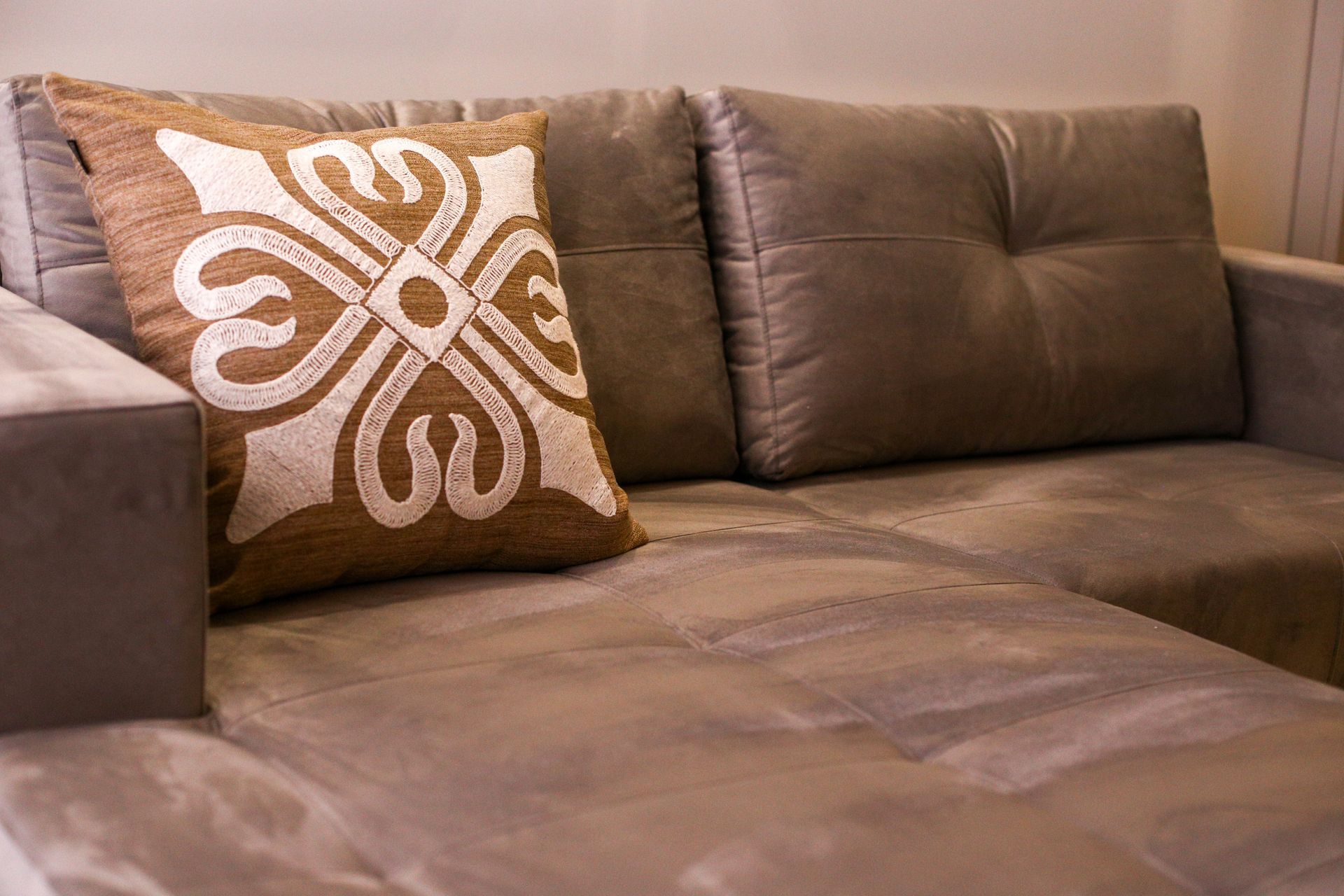
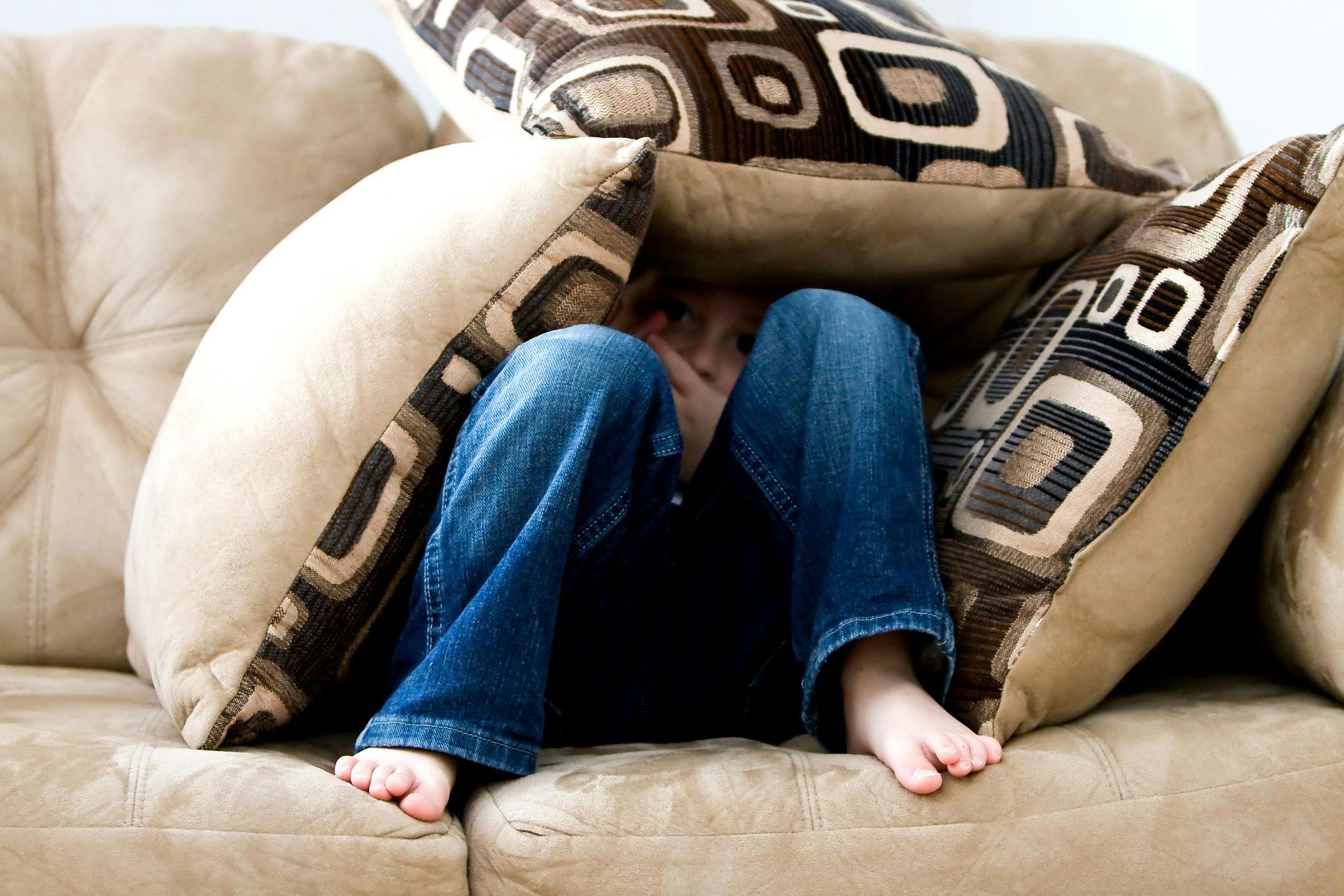
The couch is where the household gathers after work, children build pillow forts, pets claim a favorite corner, and snacks somehow disappear between the cushions. Dining chairs, recliners, benches, and upholstered headboards collect daily use too. Even when the fabric looks fine, dust, crumbs, body oils, pet hair, and small spills can build up.
In a busy home, upholstery care needs to be realistic. You do not need to deep-clean every chair each week. You do need a routine that prevents loose soil from settling deeper, handles spills safely, and catches damage before it becomes harder to address.
This upholstery cleaning guide breaks the work into manageable steps.
Start With the Manufacturer’s Care Instructions
Before applying any product, look for the furniture care label and the manufacturer’s instructions. Upholstery may be made from cotton, microfiber, wool, silk, velvet, rayon, viscose, leather, suede, or a blend. The right treatment for one material can damage another.
Some labels use cleaning codes, but a code alone does not tell you everything about dyes, backing, stuffing, previous treatments, or age. If the tag is missing, the fabric is delicate, or the piece is valuable, ask a professional before attempting wet cleaning.
Never assume a cleaner is safe because it worked on another couch. Test products in a hidden area and allow the spot to dry before judging the result.
Vacuum Upholstery Every Week
Vacuuming removes crumbs, hair, dust, and grit before they work deeper into the fabric. Use a clean upholstery attachment and gentle suction suited to the material.
Remove cushions when the furniture design allows it. Vacuum both sides, the platform beneath them, seams, welting, crevices, and the back. Pay extra attention to the seat used most often and the area where a pet sleeps.
Check the attachment before it touches light-colored fabric. Dirt already on the tool can transfer to the furniture. Avoid forcing a spinning brush against delicate or loosely woven material.
Rotate and Fluff Cushions
If cushions are reversible, rotate and flip them to distribute use. Fluff loose back cushions so the filling does not remain compressed in the same place. This small habit can help the furniture wear more evenly.
Do not unzip cushion covers and wash them unless the manufacturer specifically says they are washable. A removable cover is not automatically machine-safe. Washing can cause shrinking, fading, water marks, or a fit that is difficult to restore.
Handle Spills Without Spreading Them
When a drink or food spill happens, remove solids carefully with a spoon or dull edge. Blot liquid with a clean white absorbent cloth. Press from the outside of the spot toward the center and switch to a clean part of the cloth as it picks up moisture.
Avoid scrubbing. Friction can spread the spill, push it deeper, or change the fabric’s texture. Do not saturate the cushion; liquid can reach the filling and create a much larger drying problem.
Use only a spot product approved for the fabric and follow its directions. Never mix cleaners, and do not keep layering one product over another. If the spot remains, tell the cleaning technician exactly what was used.
Professional
upholstery stain removal may be the safer choice for an unknown spill, delicate fabric, large mark, or stain that has already been treated several times.
Build a Pet-Hair Routine
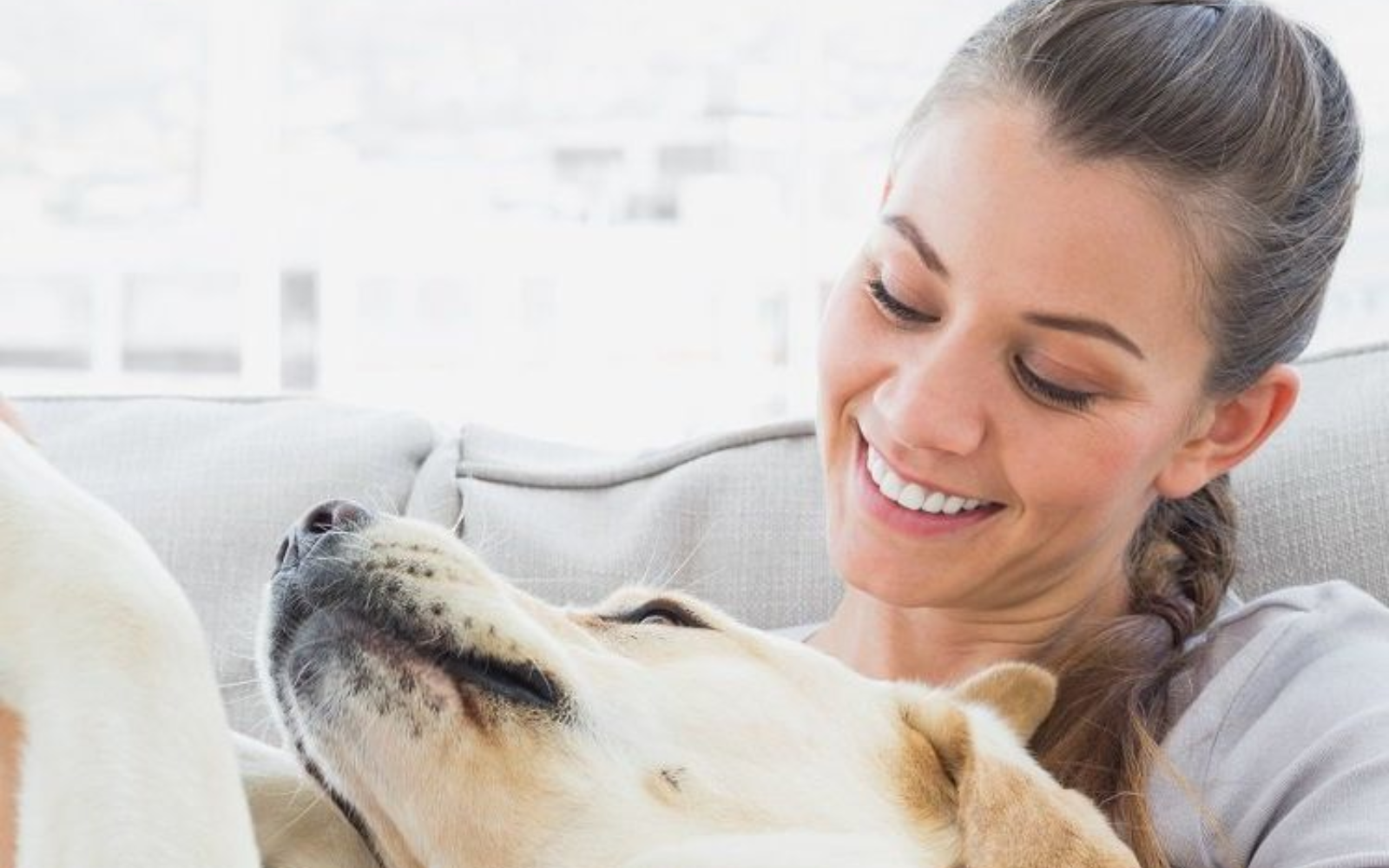
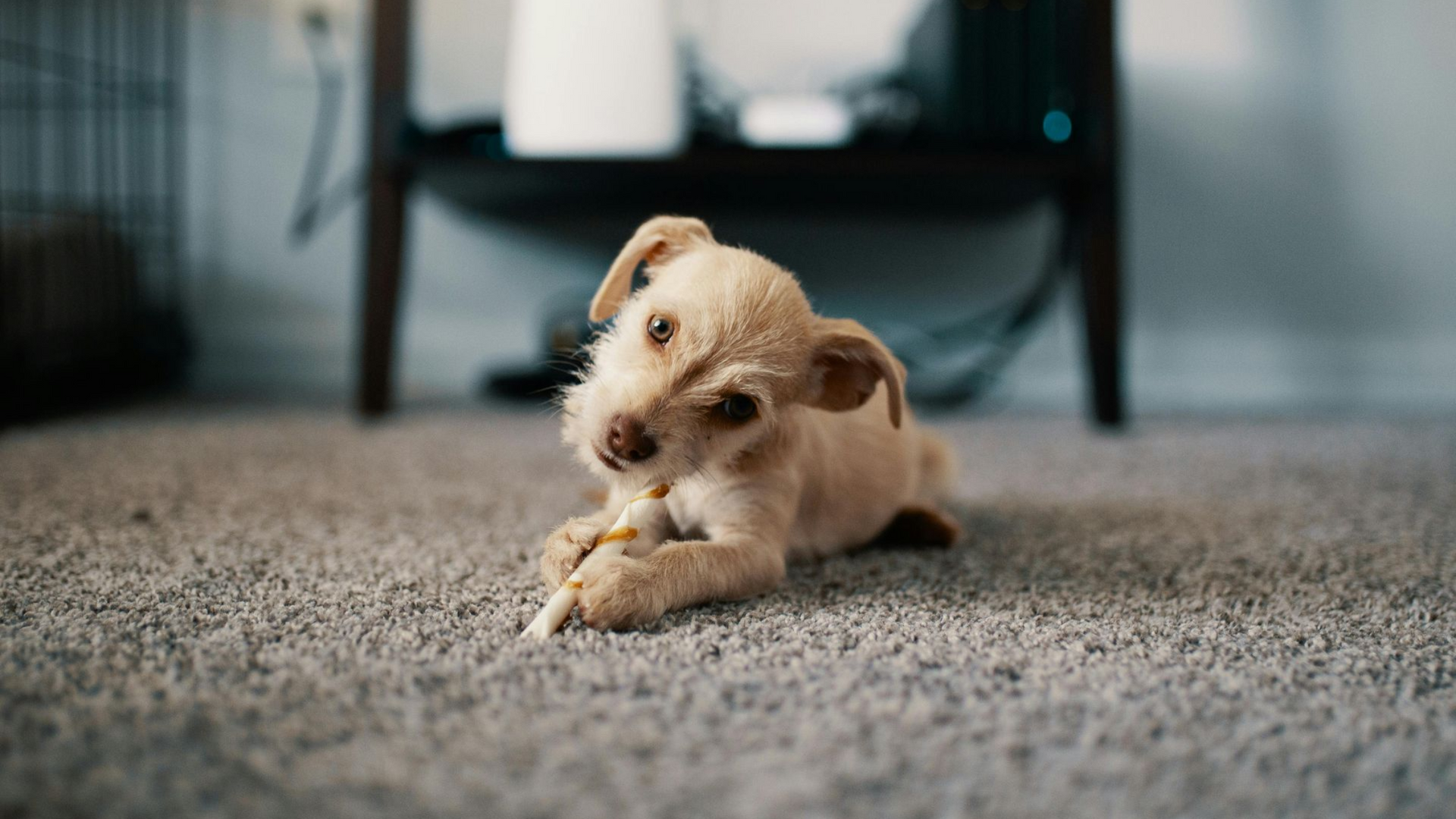
Pets often choose the same seat every day. Place a washable throw over that area if it works for your furniture, then wash it often enough that hair and odors do not build up.
Vacuum the furniture beneath the cover too. Hair collects along cushion seams, between the arms and seat, and underneath the couch. Grooming pets regularly can reduce loose fur in the home, but it does not replace furniture cleaning.
Treat accidents quickly and avoid using a product that only covers the smell with fragrance. If urine reaches cushion filling, surface cleaning may not solve the problem. Clene Start provides
pet stain and odor removal for carpet and other affected surfaces.
Pay Attention to High-Touch Areas
Armrests, headrests, cushion fronts, and the edge where people sit down often soil before the rest of the piece. Body oils, hand lotion, hair products, food, and repeated contact can darken these areas.
Do not wait until the entire sofa looks dirty. During weekly vacuuming, inspect high-touch areas in good light. Early professional cleaning may be easier than trying to correct years of buildup.
Keep blankets, pillows, and slipcovers clean. They rest against the upholstery and can transfer hair, oils, and dust back to the fabric.
Keep Food Rules Simple
If banning food from the family room is not realistic, make the routine easier to manage. Use trays for drinks and snacks, choose cups with secure lids for children, and pick up dishes when the room is reset.
Vacuum crumbs promptly. Small particles can settle into crevices, attract pests, and create odors. Check beneath reclining furniture carefully because moving parts create many places for food to collect.
Avoid Common Upholstery-Cleaning Mistakes
Busy households often make a spot worse while trying to fix it quickly. Avoid these common problems:
- Scrubbing a spill back and forth
- Using a colored towel that can transfer dye
- Applying a carpet cleaner without checking the upholstery label
- Saturating cushions with water or product
- Using heat to speed drying without manufacturer guidance
- Mixing household chemicals
- Machine-washing a removable cover without confirming it is washable
- Waiting until pet odor returns repeatedly before seeking help
Protect Furniture From Sunlight and Heat
Strong sunlight can fade some fabrics over time. Use blinds, curtains, or room arrangement to reduce direct exposure when possible. Rotate decorative pillows so one side does not receive all the light.
Keep upholstered furniture a safe distance from fireplaces, heaters, and vents according to the furniture and appliance instructions. Heat can affect fabric, leather, adhesives, and cushion materials.
Clean the Room as a Whole
Freshly cleaned furniture will not stay that way if dusty carpet, pet beds, and area rugs are ignored. Vacuum the floor around and beneath furniture, wash removable textiles, and clean nearby surfaces.
When scheduling
residential carpet cleaning, consider whether the sofa or dining chairs need attention during the same visit. Clene Start also offers specialized
area rug cleaning for rugs that require more than routine vacuuming.
Handling the room together can prevent loose soil and odors from moving straight back to a newly cleaned surface.
Know When to Call a Professional
Home vacuuming is useful for loose soil, but it cannot remove everything within upholstery fibers. It may be time for professional upholstery cleaning when:
- The fabric looks dull even after vacuuming
- High-touch areas are visibly darker
- Odors return after surface cleaning
- Pet hair and dander remain embedded
- A large or unknown stain is present
- The piece has not been deep-cleaned in a long time
- The fabric is delicate or the care label is unclear
- Allergy concerns are increasing in the room
A trained technician can identify the fiber, test the material, choose an appropriate cleaning method, and manage moisture more carefully than a one-setting rental machine.
Prepare for an Upholstery Cleaning Appointment
Before the technician arrives, remove personal items, toys, throws, and decorative pillows unless they are part of the cleaning request. Point out every stain and explain what caused it when known.
Tell the technician about previous cleaning attempts and any fabric protector applied in the past. Secure pets, clear a path to the furniture, and ask when the piece will be ready for normal use.
Clene Start publishes
upholstery cleaning prices and provides an upfront price before cleaning begins.
A Simple Upholstery Schedule for Busy Homes
Use this routine as a starting point and adjust it for pets, children, allergies, and how often the furniture is used:
- Daily: Pick up crumbs, dishes, and damp items
- Weekly: Vacuum cushions, seams, crevices, and pet areas
- Monthly: Vacuum beneath furniture and inspect high-touch areas
- Seasonally: Wash approved covers and rotate cushions where possible
- As needed: Blot spills immediately and arrange professional stain care
- Periodically: Schedule deep cleaning based on use, fabric, and condition
Give Hardworking Furniture the Care It Needs
Upholstery lasts longer and looks better when care happens before the fabric appears heavily soiled. Vacuum regularly, blot spills, follow the care label, rotate cushions, and avoid experiments with strong household chemicals.
Clene Start cleans sofas, loveseats, chairs, recliners, dining seats, and other upholstered pieces throughout North Georgia. Call or text 770-887-6375 or
co to request an estimate.